
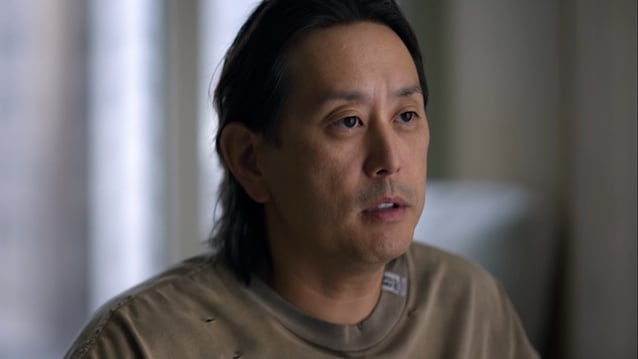
LINKIN PARK have been explaining themselves in interviews for two years. Joseph Hahn's argument for making "Unshatter" is that explaining is the wrong medium — that you had to be in the room.
The band's DJ and creative director spoke to BBC News' Mel Ramsay about the documentary, which he directed and which opens in theaters on September 30. We announced the film back in August; what is new here is Hahn on why it exists at all.
"There's been the idea of doing a documentary of sorts, and it was just never the right thing at the right time," he said. "And when the opportunity came, when we were approached to shoot the São Paulo show, which was on the launch of our album, we thought it was a good idea. People haven't seen us play. And then we also thought that it would be a good opportunity to tell our story. I think we found ourselves doing a lot of interviews and explaining things, but I think to see what's going on in real time and feel what's going on in these rooms as we're just trying to figure things out — we didn't really know what we were doing."
The title is doing more work than it looks. "There's a lot of time that went by before the film, things that we didn't document, just private conversations," Hahn said. "I think it's just an overall feeling of being lost and not knowing what to do and everyone being at different places, and everyone had to go through their own processes of healing and reflection. There were actually a few attempts to get back together and make music, and it didn't feel right."
That is the detail worth sitting with: the return that happened was not the first one attempted. It was the one that finally held. "Just like that analogy, we were broken, and it just took us getting back to the core of what we do and looking at the history and our appreciation for each other to get back to the basics of what we love to do."
He ties it to kintsugi, the Japanese practice of repairing broken pottery with lacquer mixed with powdered gold so the cracks become the ornament. "The important part of it all is to not completely fix it, but have some kind of repair and not be afraid to show your scars."
On Emily Armstrong, who took over vocals seven years after Chester Bennington's death, Hahn led with character rather than range. "Aside from her being an amazing talent, I think it's more important that she's an amazing person, someone that you wanna be around… be comfortable enough to feel vulnerable and honest with what you think. So I think overall with the group, there's a trust that's been cultivated that we didn't recognize in each other before."
And on the criticism that met the reunion, he pointed the finger inward first. "The criticisms, they can come from different places. The worst part of it is when it comes from yourself. And I think that's probably the reason why it took so long for us to even feel comfortable with the idea of trying again."